

Recognizing Common Signs Associated with Multiple Sclerosis
When people experience unexplained sensory changes, it is common to look for answers online. While only a qualified healthcare professional can diagnose a neurological condition using MRIs and physical exams, tracking your unique patterns can help you communicate clearly with your care team. The following symptoms are commonly discussed across our community boards:
- Sensory Issues (Numbness & Tingling): This often presents as a prolonged “pins-and-needles” feeling or patches of absolute numbness across limbs, the torso, or the face that cannot be explained by sleeping position.
- Chronic Fatigue & Cognitive Shifts: Unlike regular tiredness, MS fatigue is a profound physical exhaustion often accompanied by a distinct mental “brain fog” that disrupts daily processing or short-term memory.
- Balance & Coordination Challenges: This can involve sudden clumsiness, unexpected muscle stiffness (spasticity), tremors, or feeling unsteady on your feet while walking.
Why Tracking is Better Than Self-Diagnosis
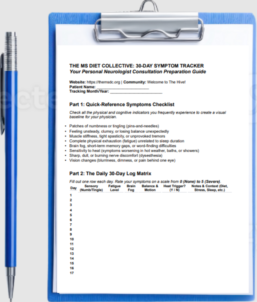
Instead of searching for a definitive diagnosis online, we invite you to build a structured log of what you are experiencing. Documenting these data points gives your neurologist the exact timeline they need to make an accurate, formal assessment:
- Timing & Duration: Note exactly when a symptom starts and if it persists continuously for more than 24 to 48 hours.
- Environmental Triggers: Record if shifts in external temperature, heat exposure (such as a hot shower), or high stress levels cause the sensation to flare up.
- Daily Severity Scales: Rate your symptoms from 1 to 5 daily to spot progression trends over a multi-week span.
Three Ways to Address Symptoms with Your Physician
If you suspect you are showing signs consistent with a neurological change, your immediate next step should be arranging professional care. Here are three actionable ways to utilize our community knowledge base to prepare:
- Print Your Lifestyle Log: Take your recorded daily updates directly to your initial primary care or neurology consult.
- Review Specialized Modalities: Research the distinction between traditional disease-modifying therapies (DMTs) and lifestyle tracking tools.
- Seek Community Support: Connect with peers in our dedicated category forums to learn how others framed their questions to their doctors during their initial diagnostics.
Medical Disclaimer
The information presented on this page is compiled for health education purposes only. Multiple Sclerosis cannot be self-diagnosed.
A formal diagnosis requires a comprehensive medical history evaluation, an intensive neurological exam, MRI imaging, and a lumbar puncture to rule out alternative conditions. Never delay seeking emergency or clinical neurological evaluation due to content found on the internet.
Registration is Easy!
Be A Part Of Our Community At THE MS DIET COLLECTIVE